This is bigger than another model launch
We have had plenty of AI video launches already. Most of them land with the same promise: better motion, cleaner realism, stronger prompt response, maybe a few more controls. Useful, yes. But still very clip-shaped.
What Runway and Adobe are pitching now is different. They are both trying to own the chain around the clip: planning, sequencing, asset prep, voice, edit decisions, formatting, and output. That matters because creators usually lose more time between steps than inside a single generation box.
If your current process still involves bouncing between prompt notes, image tools, voice tools, video tools, editors, and export settings, this is the exact pain these products are targeting.
What Runway is actually promising
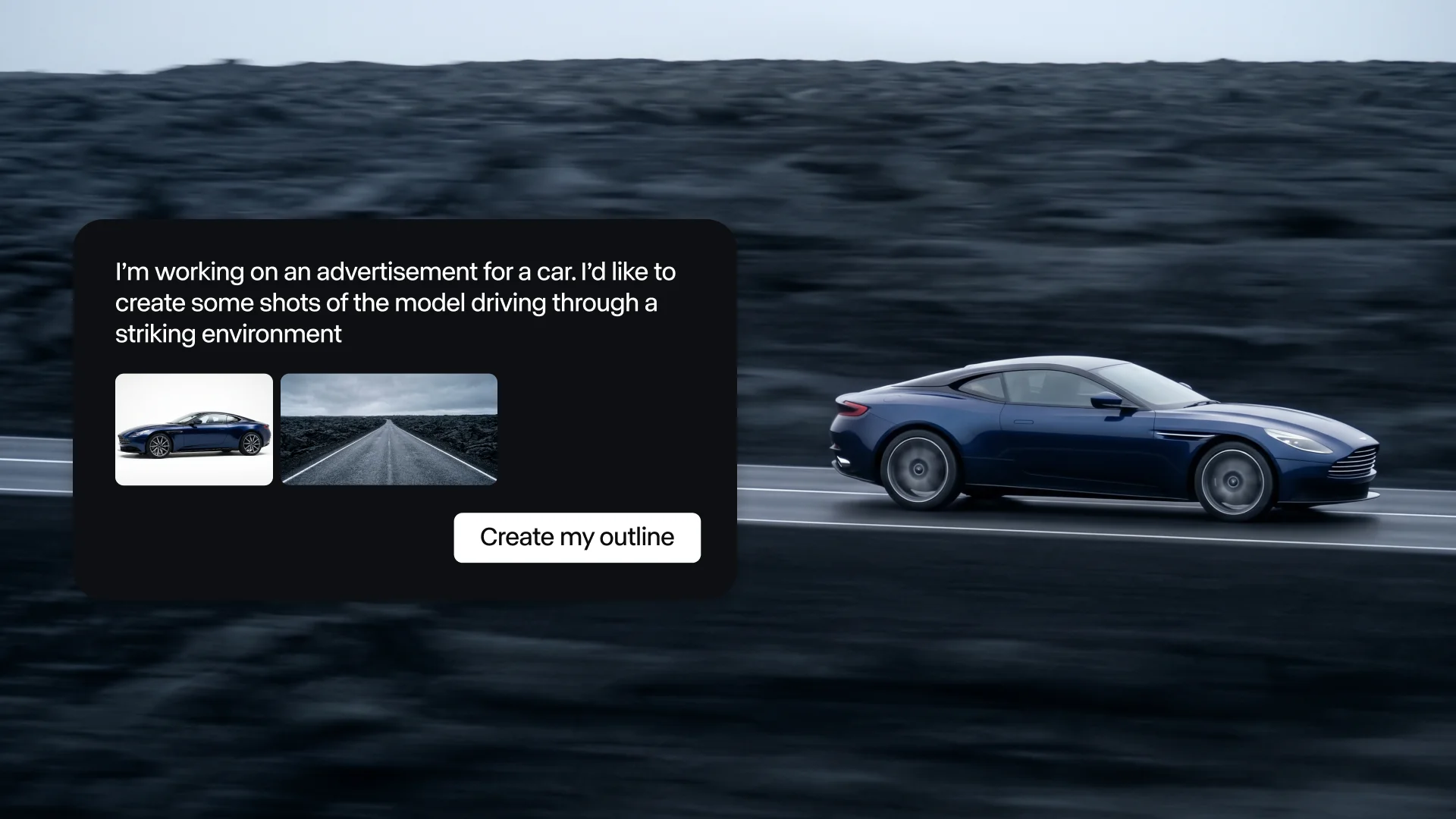
Runway's language is unusually direct. In its May 13 announcement, the company says Agent can take a creator from idea to finished, ready-to-publish video inside one conversation. The workflow it describes includes concept proposals, story beats, visual direction, multiple scenes, voiceover, dialogue, and music.
That is not a "make one cool shot" promise. It is a "let the tool carry more of the production burden" promise. For solo creators and lean teams, that is the part worth watching.
The real test will be taste and reliability. If the agent can do the boring middle well, people will forgive rough edges. If it turns into a flashy overreach that still needs heavy manual rescue, creators will fall back to narrower tools fast.
Adobe is making the same bet from a different angle
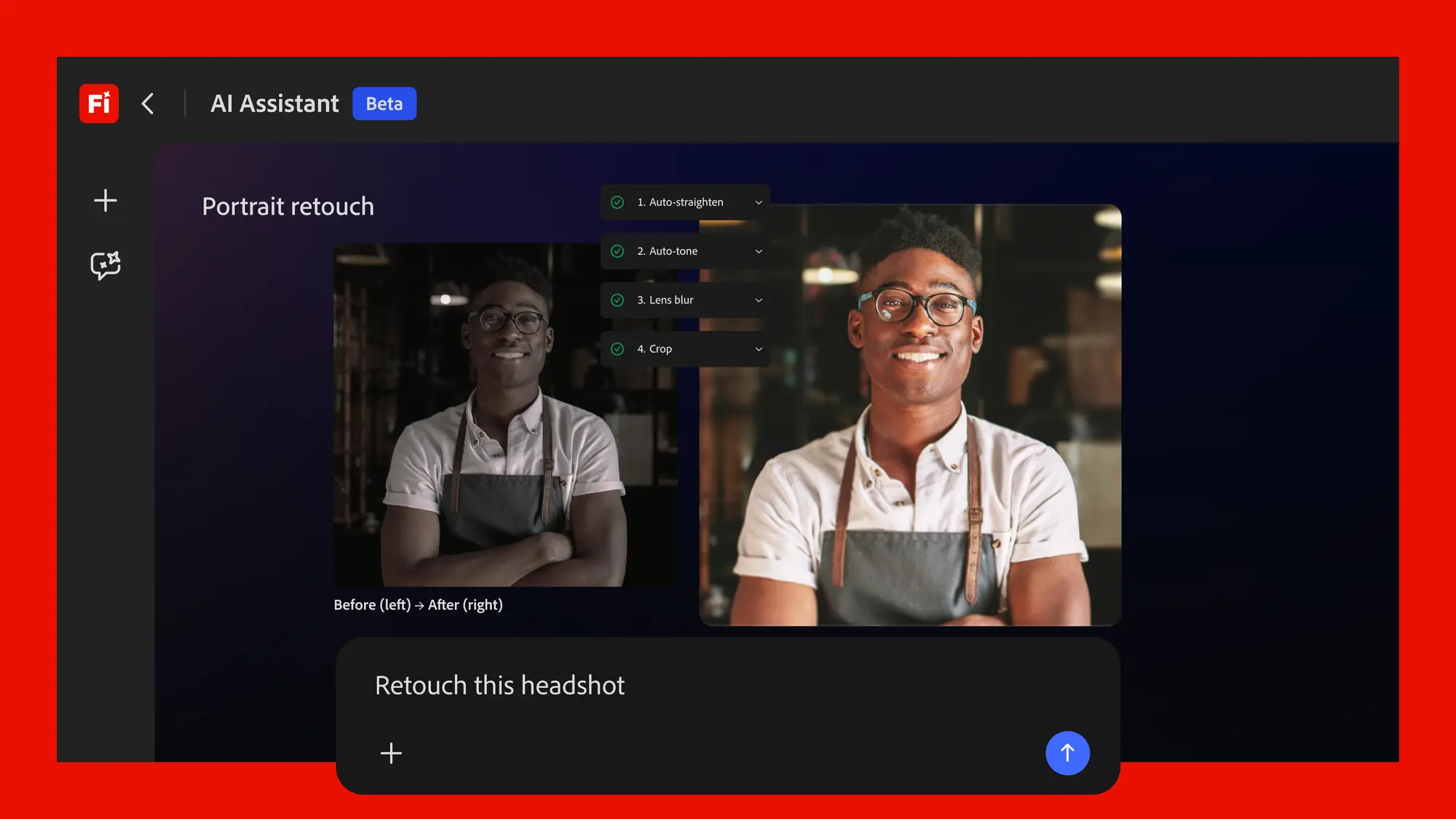
Adobe's April 15 announcement is less about one end-to-end cinematic agent and more about orchestration across the stack creators already know. Firefly AI Assistant is supposed to let you describe the outcome you want while the assistant handles complex multi-step workflows across Adobe apps.
The most useful example in Adobe's own post is not glamorous. It is practical. Adobe describes a social-media-assets skill that can crop around the subject, use Generative Extend, adapt the output to different platform formats, optimize file sizes, save the assets, and even turn a still into an animation. That is exactly the kind of repetitive sequence creators actually want help with.
So the contrast is pretty clean. Runway is pushing harder toward an AI-native production partner. Adobe is pushing harder toward workflow automation inside an existing creative suite. Both directions point to the same market signal.
OmniFit is chasing the same endgame
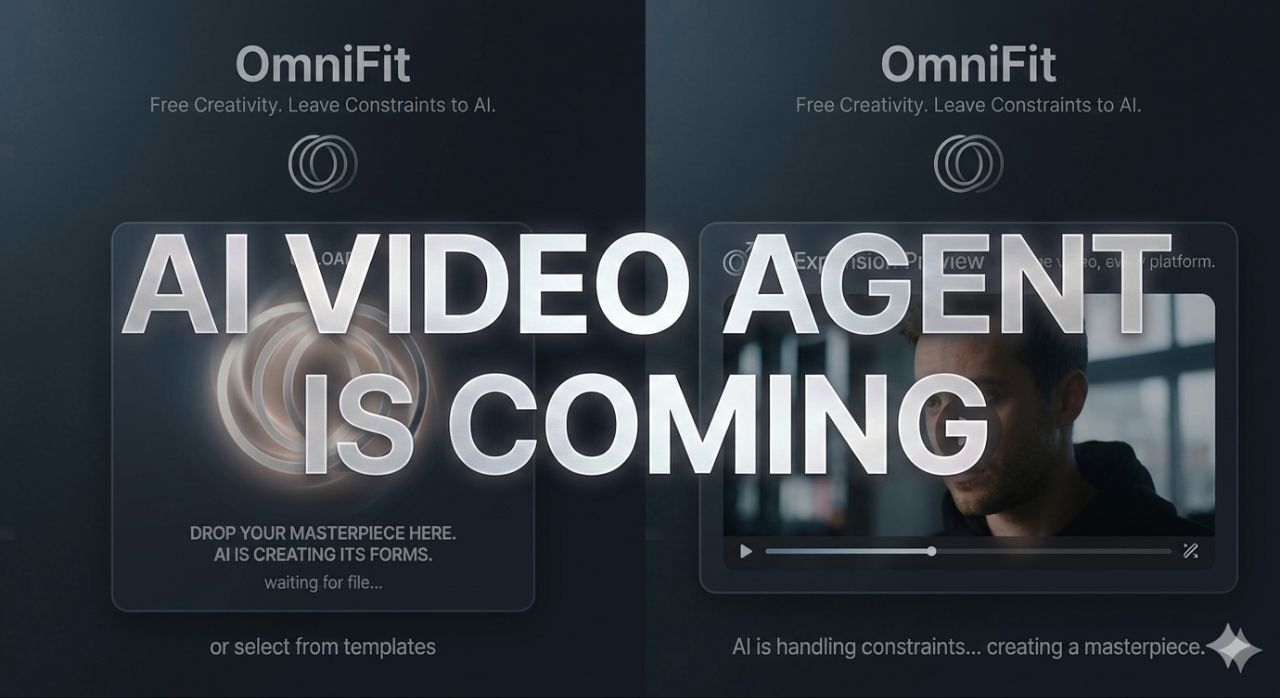
That same shift is exactly why OmniFit matters. Runway is trying to collapse production into one conversation. Adobe is trying to automate the messy handoffs across a creative suite. OmniFit goes after another part of the same problem: once a story works, getting it to fit each platform without rebuilding the whole thing by hand.
The job is not just resizing. The agent needs to read the content, motion, scene transitions, and narrative flow, then figure out the best transformation strategy for the target platform while protecting the story that made the video work in the first place.
The real promise is simple: make one strong piece, then let the agent do the painful platform-fit work without flattening the story.
What creators should do with this now
1. Judge tools by sequence, not demo clips
Ask how many real steps the tool removes after the first prompt. If it only wins at generation but loses the handoff to edit, publish, or resize, it is not really saving much time.
2. Keep your taste in the loop
These systems will get more agentic, but creators still need to steer. The winning setup will probably be: human taste on direction, agent help on sequence and grunt work.
3. Watch the boring tasks first
Export variants, aspect-ratio adaptation, still-to-motion, shot packaging, voice pass, rough assembly — these are less glamorous than one-shot demos, but they are where creator hours disappear.
The real competition is changing
For a while, AI video competition looked like a model race. Better realism. Better motion. Better prompt adherence. That still matters. But the more practical fight now is this: who can become the layer that turns your rough idea into a usable content package with the fewest tool-switches?
If Runway gets there first, creators may tolerate a rougher interface because the sequence feels fast. If Adobe gets there first, creators may prefer the safer path inside tools they already trust. Either way, "agent workflow" is becoming a real category, and creators should stop treating it like marketing fluff.
Sources
Runway
Used for the core Agent claims about moving from idea to ready-to-publish video, including concepting, story beats, visual direction, scenes, voice, dialogue, and music.
Read source ↗
Adobe
Used for Firefly AI Assistant's cross-app orchestration claims and the concrete social-media-assets workflow example involving crop, extend, adaptation, optimization, and still-to-animation steps.
Read source ↗
Creator takeaway
The interpretation on this page is OmniFit's own read: workflow compression is becoming as important as raw generation quality for AI video makers.