
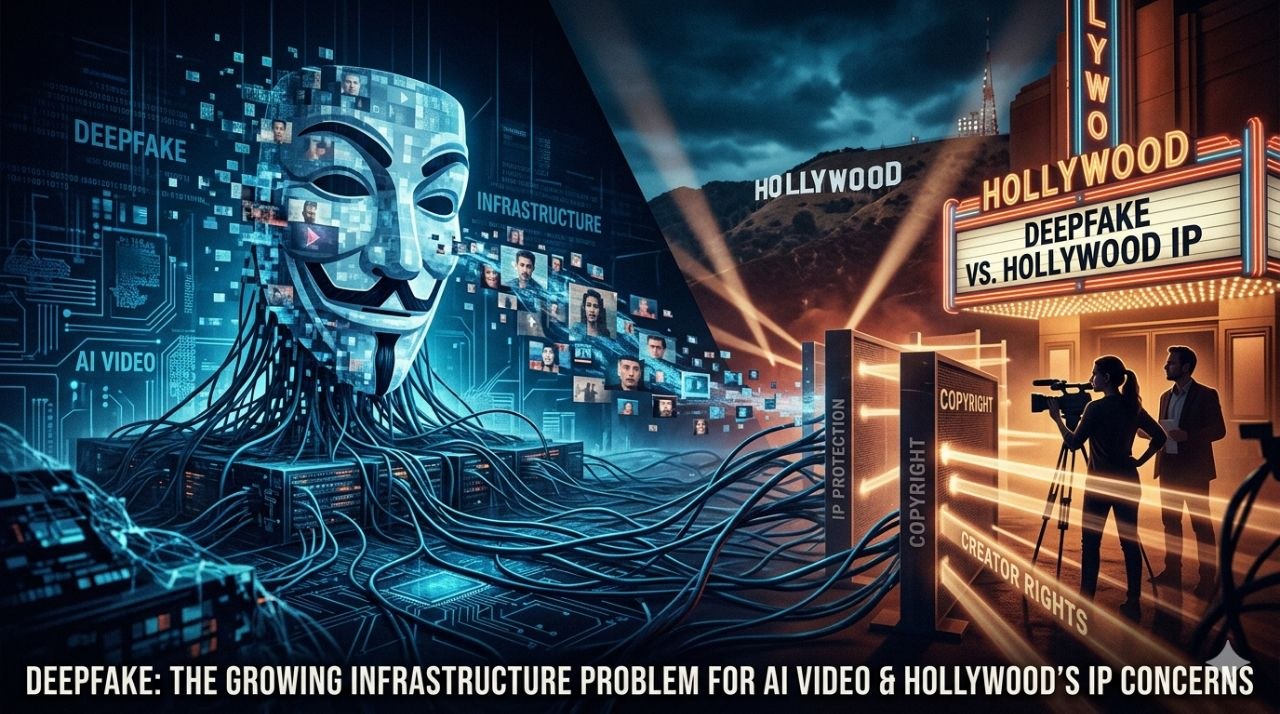
The shift
Deepfakes are moving from edge case to operating risk
Artificial intelligence made it easy to create images first. Now it is doing the same for video. That is why the deepfake conversation is changing. This is no longer only about fake political clips or internet pranks. In the AI content industry, deepfakes are becoming a real operating problem.
The issues are much more practical now: who owns a face, who controls a likeness, what happens when video is generated from protected IP, and how platforms should detect and remove abusive content.
Case study
Why the Jess Asato case matters beyond politics
A recent case involving UK MP Jess Asato and Elon Musk’s xAI shows how quickly this issue is moving from public outrage to legal pressure. As The Independent reported, the story is not only about one politician or one image. It points to a bigger shift. When someone’s likeness can be copied, remixed, and distributed at scale, model companies and platforms will face stronger demands for accountability.
That makes this an AI content story, not just a political one. Every improvement in synthetic video raises the value of likeness protection.
Video changes the stakes
Fake video is easier to trust and easier to monetize
Video deepfakes are more powerful than static images because they are easier to believe, easier to share, and easier to monetize. A fake image can go viral. A fake video can look like a product endorsement, a tutorial, a creator collaboration, or a real public statement. In many cases, the value is not only attention. It is conversion.
That is already happening. CBS News reported on deepfake videos impersonating real doctors to promote beauty, wellness, and weight-loss products. This is a strong warning for the AI content market. The problem is no longer just whether a model can generate something realistic. The problem is whether realistic fake media can be used to sell, persuade, or exploit trust before anyone stops it.
Platforms
Enforcement is starting to look like Content ID for faces
The platform response is starting to evolve, but it is still incomplete. The Verge reported that YouTube is expanding its likeness detection tools for public figures such as politicians and journalists. In practice, this looks a bit like Content ID for faces. That is an important signal. Platforms now understand that the next layer of content protection is not only copyright. It is also identity.
But enforcement will not be simple. Parody, satire, commentary, and synthetic media made with permission all sit close to abuse cases. The hard part is not building one rule. The hard part is building systems that can separate authorized use, fair use, and manipulation at scale.
Provenance
AI video will increasingly need proof of origin
Model companies are also starting to push provenance and labeling more seriously. The Verge also reported that OpenAI is expanding its use of content credentials and synthetic media labeling systems such as C2PA and SynthID. These systems are not perfect. Metadata can be stripped. Watermarks can fail. But the direction is clear: AI content will increasingly need proof of origin, not just impressive output quality.
IP
Seedance shows how fast capability runs into Hollywood IP concerns
As video models improve, three conflicts are getting harder to ignore: likeness, IP, and trust. The IP side becomes more visible when tools can recreate recognizable characters, branded visuals, or familiar cinematic worlds at speed.
This concern is already spilling into public product debates. PCMag reported that ByteDance promised stronger limits for Seedance 2.0 after backlash from Hollywood, while Sixth Tone reported that a viral deepfake demo helped push ByteDance to limit the tool. This is the product reality now: it is not enough for a model to generate impressive footage. It also has to manage where likeness and copyrighted worlds begin.
What comes next
Deepfake governance will not stay inside private platforms
Governments are starting to move too. AP News reported that Denmark is considering new legal protections against AI deepfakes. That matters because it shows the market is heading toward a three-layer response: model safeguards, platform enforcement, and formal legal protection.
For AI content companies, the lesson is simple: better generation alone is not enough. The next wave of winners will need stronger consent-first workflows, clearer rules around likeness and copyrighted material, faster takedown paths, and better provenance layers built into the product itself.
Conclusion
Trust is becoming the product layer creators cannot ignore
The AI content market is entering a new phase. Quality still matters. Speed still matters. But trust, traceability, and rights protection are starting to matter just as much.
AI video does not only need better models. It needs better rights management. In the next phase of the market, trust may become the most valuable feature of all.
Sources
Source links
Jess Asato / xAI deepfake case and the shift from outrage to legal pressure.
Read sourceDeepfake doctor videos promoting products, showing real commercial misuse.
Read sourceYouTube likeness detection expanding to politicians and journalists.
Read sourceOpenAI, content credentials, C2PA, and SynthID labeling direction.
Read sourceByteDance promising stronger Seedance 2.0 limits after Hollywood backlash.
Read sourceViral deepfake demo pressure on ByteDance and Denmark's legal response direction.
Sixth Tone AP News